Before You Modernize a Product, Ask Whether It Still Works

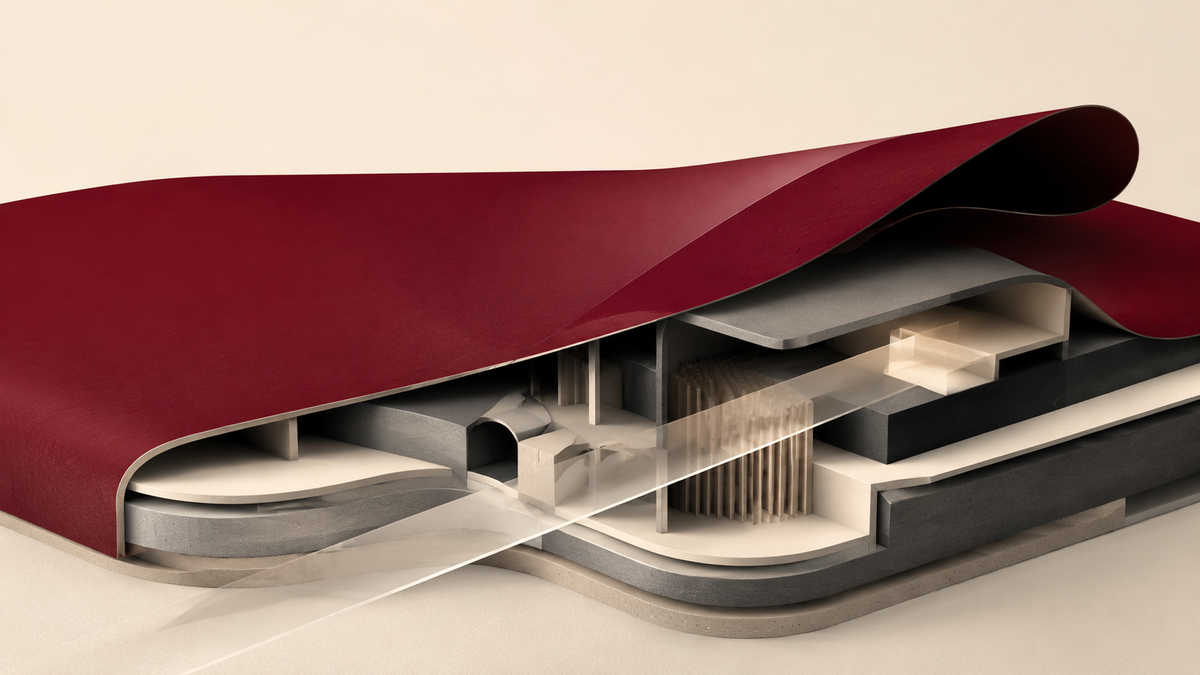
The question is not whether a product can be improved, but whether modernization or redesign is the right response.
Before we launch a new association product, we usually ask it to prove itself. What purpose will it serve? Who is the audience? How does it support the strategic plan? What resources will it require, and what return should the association expect?
Existing products rarely have to make that same case again.
They already have a place in the budget, established processes, staff assigned to them, and an audience that expects them to continue. Their return is known, even if it has been declining. When performance begins to slip, the first question is often how to improve the product rather than whether it still makes sense in its current form.
Before deciding how to improve it, we should ask what purpose the product is fulfilling now. That may be different from the purpose it served when it was created. Is that still the right purpose? Should it be serving a different one? Has it strayed too far from what it was intended to accomplish? Is there still an audience for it? Does it fit within the current strategic plan? Is this still the best way to fulfill that purpose, or could another approach do it better? Does its return justify the staff time, money, and other resources it consumes?
Only after answering those questions should leaders decide whether to modernize or redesign the product.
Modernization is appropriate when the purpose, audience, and basic structure remain sound, but the delivery, cost, accessibility, or user experience needs improvement. Redesign becomes necessary when the purpose remains relevant but the product is no longer structured to fulfill it effectively, or when it needs to serve a different audience or produce a different outcome.
Our monthly journal illustrates how one decision can lead to the other.
The journal had traditionally been produced and distributed primarily in print. We decided to move to a digital-first model, making digital delivery the primary way readers accessed it.
The initial decision was a business one. Print costs were increasing, membership was declining, and the resulting decline in distribution affected the value we could offer advertisers.
We began with a digital flipbook. The delivery method changed, but the journal remained a journal. Its technical content, monthly format, and advertising model were largely unchanged.
That was modernization. It addressed an immediate cost and distribution problem while increasing our ability to measure readership.
Over time, however, the conversation shifted. Once digital became the primary delivery method, we began asking what else the publication could become. We considered spotlight articles, video, special topics, and content that did not have to wait for the next monthly issue.
That led to a microsite where readers could discover and navigate content differently and where we could publish additional material in multiple formats. The monthly articles and advertising continued, but the product was no longer confined to the traditional journal format. That was redesign.
The redesign also allowed us to serve two audiences. The microsite could attract new viewers who might never seek out a traditional journal, while the flipbook remained available for readers who preferred the legacy format. It also gave us options such as producing regional editions.
In this case, modernization and redesign were part of the same progression. The flipbook solved an immediate problem and gave us time to develop the microsite. It also opened possibilities that eventually led us to reconsider the product itself.
Our annual conference illustrates a different reason a product may need redesign. It continued to serve many older members, but its scientific and research-oriented session format, overprogrammed schedule, and competing governance activities were not structured for a contemporary audience. Onsite badge printing, digital signage, and other operational changes reduced friction, but they did not address those more fundamental issues.
We retained technical content while adding more professional development, reducing the amount of programming, improving the flow of the schedule, moving much of the governance activity away from the conference, and adding activities such as a party open to all attendees. The goal was to create an event people wanted to return to, not simply one they felt they needed to attend.
Over the past several years, we have seen an increase in first-time attendees and a noticeably younger audience.
The conference also exposed a weakness in evaluating a product only through its current users. It was still serving many older members. That did not mean it was positioned for the audience we needed next. A product can outlast the audience it was built for.
This helps explain why associations often default to modernization. Launching something new is difficult. It may require significant resources with no guarantee of a return. An existing product offers known revenue, familiar operations, and an established audience, even when its revenue and participation are gradually declining.
Modernization is not always the wrong choice. If the underlying product remains sound, improving it may be the responsible decision. A known return, however, can still be a declining return. Better tools and more efficient delivery cannot correct a product that no longer serves the right purpose or audience.
Sometimes the evaluation will show that neither modernization nor redesign is justified. The purpose may no longer be relevant, the audience may no longer exist, or the return may no longer warrant the resources required. That leads to a different decision: whether to sunset the product.
Developing something new is a separate decision. Associations rarely sunset one product and intentionally launch a direct replacement at the same time. More often, sunsetting and new-product development occur through different processes and in response to different needs.
That question deserves a fuller discussion elsewhere. For now, it reinforces why existing products should periodically face the same scrutiny as new proposals.
Rather than asking only, “How can we improve this product?” leaders should ask:
Does this product need to work better, or does it need to work differently?
If the product still serves the right purpose for a viable audience, modernization may be enough. If the purpose remains important but the audience, structure, value, or intended outcome needs to change, redesign may be necessary.
Existing products should have to make their case periodically, just as new products do. The question is not whether modernization can improve them. It is whether modernization solves the problem the product actually has.